
By Isyss Williams, Senior
Social media’s heavy usage amongst teenagers is being linked to the cause of higher rates of anxiety, depression, and low self-esteem. Increased screen time, and the constant need for validation and comparisons are contributing to the rise of anxiety, depression, and low self-esteem.

Social media has become a daily habit for a lot of teens. Posting videos and pictures to social media and friends is designed to allow people to stay connected. Social media helps people to stay in touch with friends and family, especially the ones who live at a distance. Posting videos and pictures allows people to express themselves, share and receive ideas from other people. Social media can also be used to inform people about news and important social issues. However, negative effects of social media are at a higher risk due to depression, loneliness, and anxiety. Younger users are mostly vulnerable to body image issues, eating disorders, and cyberbullying. Social media’s constant exposure to filtered images and a fake lifestyle creates pressure for teenagers to want to compare themselves to others.
Many teenagers stay up late to scroll on social media, which negatively affects them because they are losing out on sleep and could possibly be more prone to feeling emotions more deeply. With an increase of social media usage, there is more exposure to online bullying and receiving negative comments from peers. Constant publicity of other people’s seemingly vibrant lifestyles often causes a distorted reality, making users want to compare themselves to others.
These comparisons make people feel lonely and have lower self-esteem because they start to believe that their everyday lives are not as exciting and fulfilling as those of others. Andrew (Drew) Rhoades, online content editor, says, “ Social media can be a powerful tool for connection, but it can also lead to increased feelings of depression and anxiety, particularly among adolescents.”

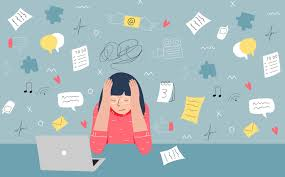
Photo by: WPSU
Social media seems to be linked with high risks of depression, loneliness, and sleep disruptions. This impact is shown on younger children and adults because they are more vulnerable to eating disorders, body image issues, and bullying. The desire for likes and constant validation from peers online contributes to social media’s negative beauty standards. Unrealistic body standards on social media are seen to be related to physical appearance, along with popularity. Platforms such as Tiktok, Instagram, and Snapchat idealize beauty and body standards, causing teens and younger adults to feel as if they don’t fit in and cause these teens to self-criticize.
Sources:



Leave a Reply